
In this article
- The Rationality of a Two-Day Journey
- Day 1: The Spiritual Core and the Godavari’s Source
- The Afternoon in Panchavati
- Day 2: The Pluralism of Modern Nashik
- The Evening Transition
- Choosing Your Base: The Case for Igatpuri
- Practical Realities and Logistical Constraints
- Frequently Asked Questions
- The Necessity of a Reasoned Escape
The Rationality of a Two-Day Journey
Planning a short excursion requires more than just a list of coordinates. It demands an understanding of how one intends to spend their time. For those seeking a 2 day itinerary for nashik and trimbakeshwar, the objective is often a balance between the spiritual and the epicurean. In our work at The Grand Resort Igatpuri, we have seen that the most successful trips are those that do not rush. They allow for reflection.

On Day 1, you should prioritize the ancient foundations of the region, starting with the Trimbakeshwar Jyotirlinga and moving toward the sacred banks of the Godavari in Panchavati. Day 2 shifts the focus toward the contemporary identity of the city, exploring the Pandavleni Caves and the flourishing vineyards. This structure ensures you cover the essential places to visit in nashik without the exhaustion that typically follows a poorly planned trip.
Key Takeaway: A successful Nashik trip balances the morning spiritual energy of Trimbakeshwar with the afternoon leisure of the vineyards.
Day 1: The Spiritual Core and the Godavari’s Source
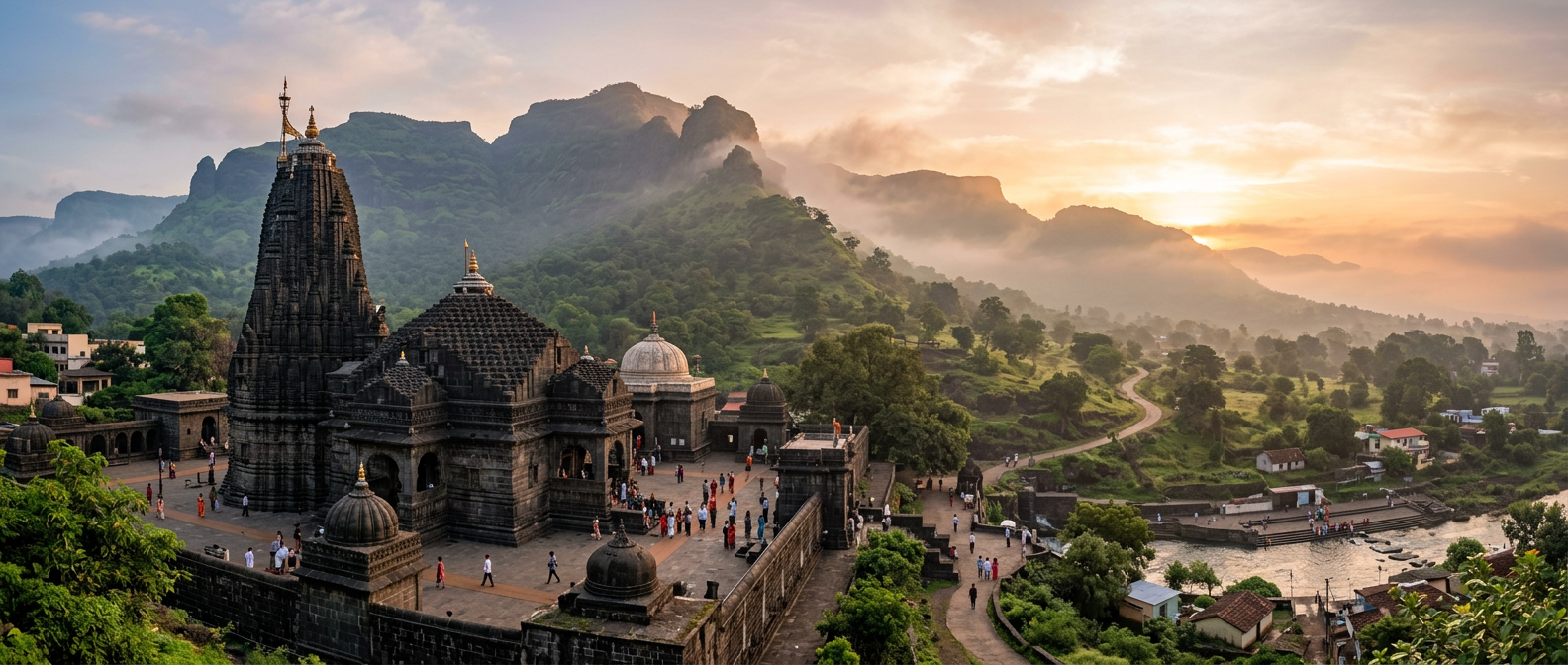
Why do we travel to sites of antiquity? It is often to find a sense of continuity. Your journey begins at the Trimbakeshwar Shiva Temple. This is not merely a religious site. It is a site of immense historical and architectural weight. The temple is located about 30 kilometers from the main city. You must arrive early. The queues can be long. But the experience of the black stone architecture is worth the wait.
After your visit to the temple, consider a brief trek to Kushavarta Tirtha. This is where the river Godavari takes its symbolic origin. It is a place of profound quiet, or at least it can be if you find the right corner. Do not be deterred by the crowds. Observe the rituals. There is a specific kind of human agency on display here that is rare in our modern, secular lives.
The Afternoon in Panchavati
By midday, move toward the heart of Nashik. Panchavati is where the Ramayana comes to life. Or so the local traditions suggest. Visit Kalaram Temple. The structure is built entirely of black stones. It is imposing. And it is beautiful. Just a short walk away is Sita Gufaa. The passages are narrow. They require a bit of physical effort to navigate.
Is it enough to just see these things? No. One must also see the Ram Kund. This is the sacred tank where thousands gather for a dip. The energy here is palpable. It is a reminder of the collective identity that defines much of Indian life. For a deeper look at the broader context of these sites, you might consult our guide on Beyond the Vineyards: The Definitive Guide to Places to Visit in Nashik. It provides the necessary background that many visitors overlook.
Key Takeaway: Dedicate your first day to the Nashik-Trimbakeshwar axis to minimize travel time between disparate locations.
Day 2: The Pluralism of Modern Nashik
The second day should be different. It should be slower. We often talk about the well-being of the traveler. Rushing through twenty sites in forty-eight hours is not well-being. It is a chore. Start your morning at the Pandavleni Caves. These are Buddhist caves dating back to the 1st century BC. There are twenty-four of them. They are carved into the hills. The climb is manageable. The view from the top is instructive. It shows you the scale of the city.
Contrast this ancient austerity with the modern prosperity of the vineyards. Nashik has become synonymous with Indian wine. This is a fascinating development in the region’s economic history. Visit Sula or York. Or perhaps Soma. Each offers a different perspective on the craft. You can walk through the vines. You can learn about fermentation. It is a sensory experience that complements the visual experience of the morning.
The Evening Transition
As the sun begins to set, the city changes. The air grows cooler. This is the time to visit the Someshwar Waterfall if it is the right season. Or perhaps just walk along the Godavari. If you are looking for specific evening activities, there are several places to visit in nashik for couples in evening that offer a more intimate setting. The city is not just a destination; it is a collection of moments.
Key Takeaway: Use Day 2 to explore the Buddhist heritage of Pandavleni and the modern viticulture that defines Nashik today.

Choosing Your Base: The Case for Igatpuri
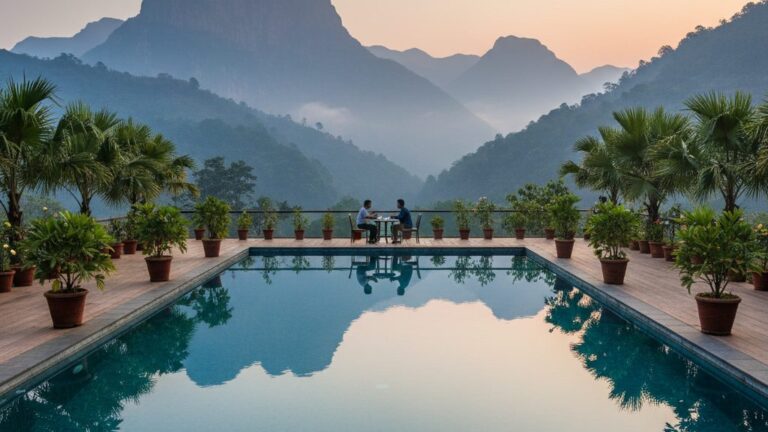
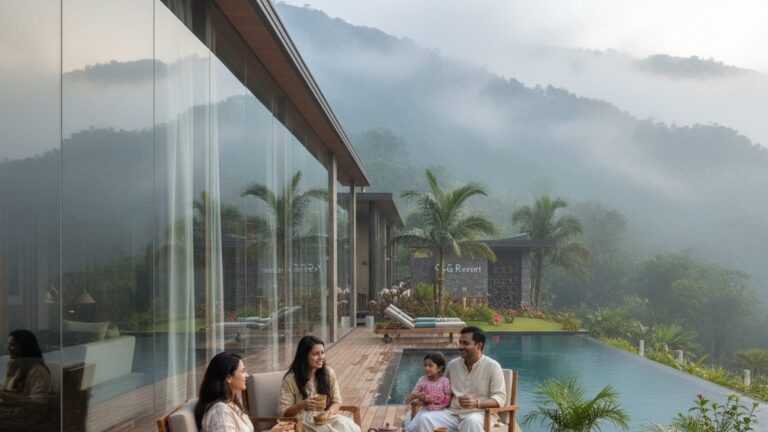
Where one stays is as important as what one sees. Nashik city is bustling. It is loud. It is energetic. But for some, that energy is draining. This is why many of our guests choose to stay with us at The Grand Resort Igatpuri. We are located just a short drive from Nashik. The difference in the quality of the air is noticeable. The silence is profound.
Our data suggests that travelers who choose a peripheral base often report higher levels of satisfaction. They have the agency to enter the city for its treasures and retreat to the hills for their rest. It is a matter of choosing the right environment for your specific needs. Are you looking for the constant hum of the city? Or the stillness of the Sahyadris?
If you are traveling with family, finding the best vineyards in nashik for family stay might be your priority. But if you want a resort that offers more than just a room, we invite you to see what we have built. We focus on the capability of our guests to relax.
Key Takeaway: Staying in Igatpuri provides a peaceful counterpoint to the busy streets of Nashik and Trimbakeshwar.
Practical Realities and Logistical Constraints
Let us talk about the practicalities. The road between Nashik and Trimbakeshwar is generally good. But traffic can be unpredictable. Especially on weekends. If you are coming from Mumbai, the new Samruddhi Highway has changed the calculus of travel. It is faster. It is smoother. We have seen a significant increase in weekend visitors because of it.
What about the weather? Nashik is pleasant in the winter. It is spectacular in the monsoon. The hills turn a shade of green that is hard to describe. But the summer can be harsh. Plan your outdoor activities for the early morning or the late afternoon. This is not just a suggestion; it is a requirement for a comfortable trip.
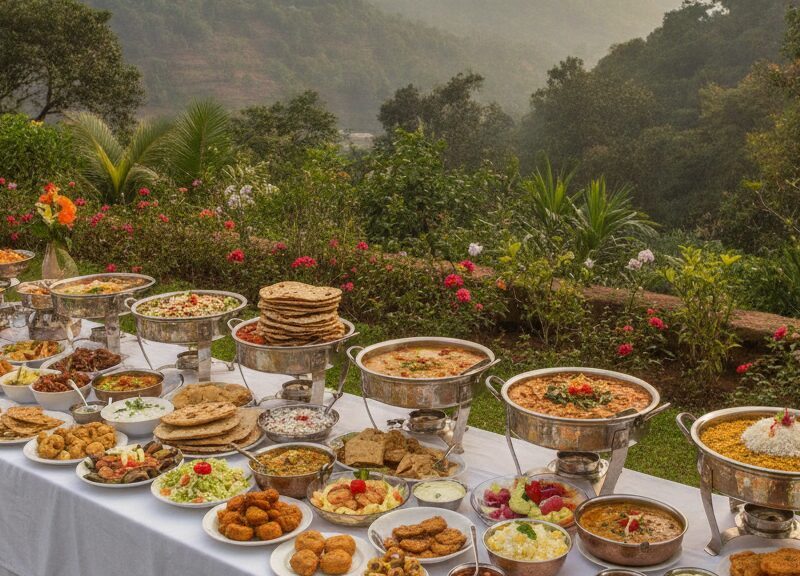
Food is another consideration. Nashik is famous for its Misal Pav. Do not leave without trying it. But also explore the local Maharashtrian thali. The variety of grains and legumes used in this region is a testament to the agricultural richness of the land.
Frequently Asked Questions
How much time is needed for Trimbakeshwar temple?
Usually, 2 to 4 hours are required depending on the crowd and the type of darshan you choose. Arriving before 6:00 AM is the most efficient way to manage your time.
Is Nashik safe for solo travelers?
Nashik is remarkably safe and welcoming for solo travelers, provided you follow standard safety precautions. The local population is generally helpful and accustomed to tourists.
What is the best way to travel between Nashik and Trimbakeshwar?
Private taxis or local buses are the most reliable options for this 30-kilometer journey. Taxis offer more flexibility if you wish to stop at smaller shrines along the way.
Can I visit vineyards with children?
Yes, many vineyards like Sula have open spaces and restaurants that are family-friendly. However, the wine tasting areas are strictly for those above the legal drinking age.
What should I wear for the temple visits?
Modest clothing is required for entry into most temples in Nashik and Trimbakeshwar. Men should ideally wear dhotis or kurtas, and women should wear sarees or long tunics with trousers.
Is one day enough for both Nashik and Trimbakeshwar?
It is possible but very exhausting and prevents you from actually experiencing the sites. A 2-day itinerary is the minimum required for a reasoned and enjoyable visit.
Are there hidden spots away from the main tourist trail?
Yes, there are several unexplored hidden gems in nashik that offer peace away from the crowds. Places like the backwaters of the Gangapur Dam are perfect for quiet reflection.
When is the best time to see the waterfalls?
The monsoon months from July to September are the only times when the waterfalls are in their full glory. During the rest of the year, they may be reduced to a trickle.
The Necessity of a Reasoned Escape
In our modern world, we are often overwhelmed by choices. We are told to see everything, do everything, and experience everything at once. But this is a fallacy. True luxury, and true travel, is about the freedom to choose what matters. Whether you are coming for the spiritual pull of Trimbakeshwar or the cultural richness of the vineyards, give yourself the time to see them properly.
We believe that your surroundings dictate your state of mind. That is why we have designed our resort to be a sanctuary. After a day of exploring the ancient and the modern, you deserve a place that values your comfort and your peace.
Are you ready to plan your journey? We are here to help you navigate the complexities of your stay. Visit us at The Grand Resort Igatpuri and discover how a well-planned itinerary can change your entire perspective on travel. Let us make your two-day escape something more than just a trip. Let us make it a moment of genuine well-being.
Ready when you are