
In this article
- The Paradox of the Pilgrim and the Sommelier
- The Vineyard Circuit: Agrarian Economics Meets Luxury
- Sula Vineyards: The Pioneer
- Soma and York: The Quieter Siblings
- The Spiritual Core: History Carved in Stone
- Trimbakeshwar Jyotirlinga Temple
- Panchvati and Ramkund
- The Geological Marvels: Caves and Waterfalls
- Pandavleni Caves
- Dudhsagar Falls (Someshwar)
- The Strategic Base: Why Igatpuri Wins
- The Hidden Gems: Beyond the Top 10
- Anjaneri Hills
- The Artillery Centre Museum
- Practical Logistics for 2026
- Conclusion: The Art of the Nashik Trip
- Frequently Asked Questions
The Paradox of the Pilgrim and the Sommelier
Is it possible for a city to be equally devoted to the austerity of ancient faith and the indulgence of fine wine? Nashik suggests that it is. When you search for places to visit in nashik, you are not merely looking for a checklist of coordinates. You are searching for a narrative that connects the sacred Godavari ghats with the rolling vineyards of Gangapur. Most travel guides fail to capture this duality. They offer you a list. We offer you a strategy.

Here is the reality. Nashik is bustling. It is crowded. And while its attractions are undeniable, the logistics of navigating them can be exhausting. The smart traveler does not just ask where to go, but how to experience it without getting trapped in the urban sprawl. In our experience at The Grand Resort Igatpuri, we have observed a shift. The most satisfied visitors are those who establish a serene base in the hills of Igatpuri—just 45 minutes away—and launch surgical strikes into Nashik’s chaotic beauty. This guide explores that method.
Key Takeaways:
- Strategic Basing: Stay in Igatpuri to avoid Nashik’s city traffic while remaining under an hour from major sites.
- The Dual Circuit: Divide your trip into ‘Spiritual’ (Trimbakeshwar, Panchvati) and ‘Lifestyle’ (Sula, Soma, York).
- Timing Matters: The vineyards demand winter evenings; the waterfalls demand monsoon mornings.
The Vineyard Circuit: Agrarian Economics Meets Luxury
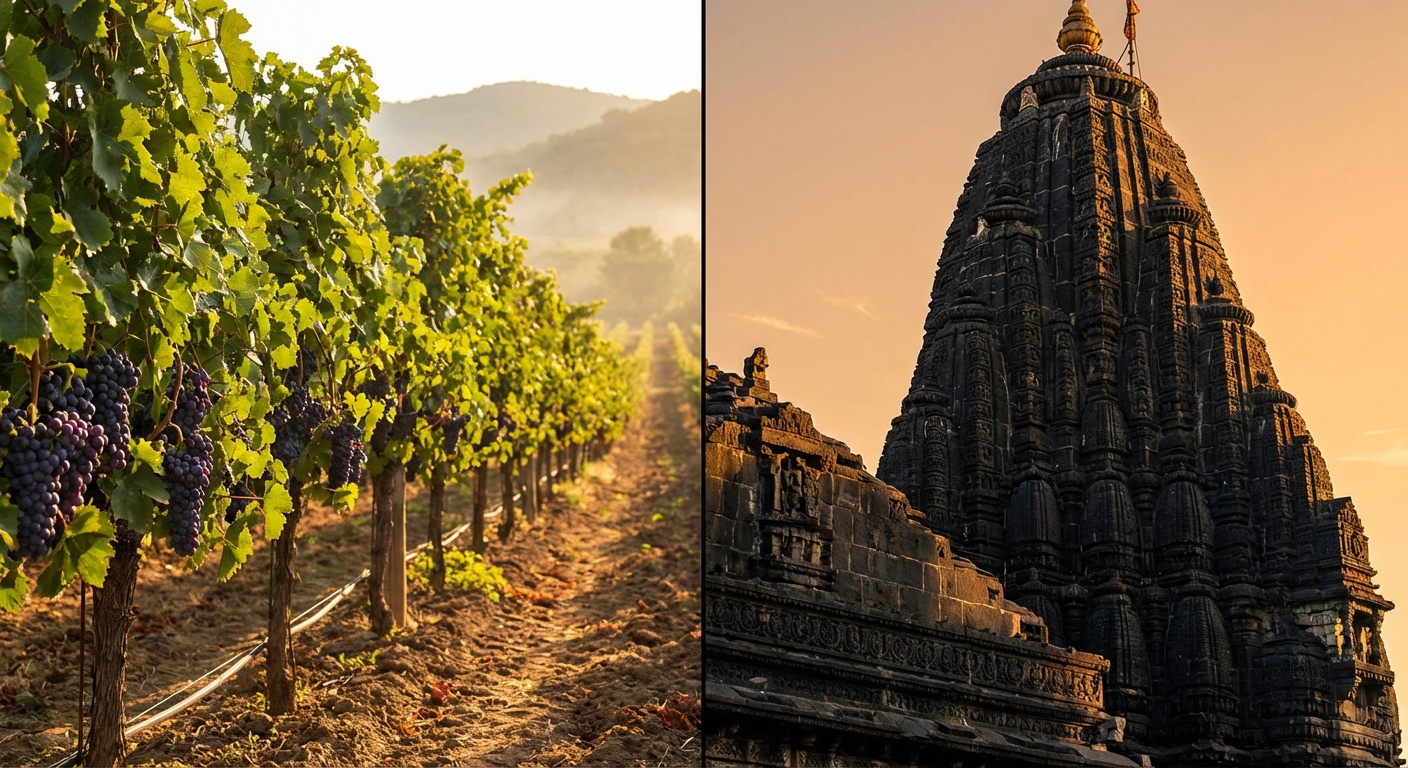
It is tempting to view Nashik's wine region as purely recreational. But look closer. It is a remarkable shift in agricultural capability. Farmers who once relied on traditional crops have embraced viticulture, altering the region's economic destiny. For the visitor, this means access to world-class estates that rival those in Europe, yet retain a distinctly Indian soul.
Sula Vineyards: The Pioneer
You cannot discuss places to visit in nashik without acknowledging Sula. It is the anchor. However, because it is the anchor, it is often overrun. If you visit on a Saturday afternoon, you are not visiting a vineyard; you are visiting a crowd. The trick? Go on a Tuesday. Or arrive strictly at opening time (11:00 AM).
The tour here is comprehensive, explaining the journey from crushing to fermentation. But the real value lies in the tasting room overlooking the lake. It is here that you understand why this climate works.
Soma and York: The Quieter Siblings
If Sula is the loud, successful older brother, Soma Vine Village and York Winery are the contemplative siblings. Located just down the road, they offer something Sula often cannot: silence. York's tasting room, perched on a hill, offers perhaps the best sunset view in the entire Gangapur Dam region. The wines here are robust, and the pace is slower. For couples seeking intimacy rather than a carnival atmosphere, these are the superior choices.
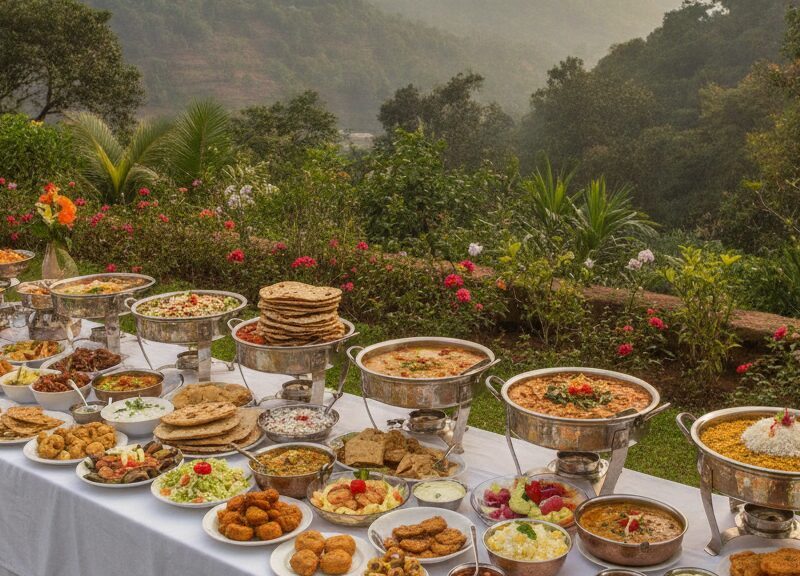
Insider Tip: Plan a lunch at Soma. Their culinary spread is surprisingly authentic, moving beyond the standard pasta-and-cheese fare often served at wine estates.
The Spiritual Core: History Carved in Stone
To ignore the temples is to misunderstand Nashik. This is not just about religion; it is about civilization. The banks of the Godavari have supported human settlement for millennia. The architecture alone demands attention.
Trimbakeshwar Jyotirlinga Temple
This is one of the twelve Jyotirlingas in India. The structure is built from black stone, imposing and intricate. But here is the challenge: the queue. We have seen guests lose six hours standing in line. Is it worth it? Historically and spiritually, yes. Logistically, you need a plan. VIP passes are available and highly recommended. Alternatively, visiting during the early morning hours on a weekday can reduce wait times significantly.
The temple sits at the foothills of Brahmagiri mountain, the source of the Godavari. If you have the stamina, the trek up Brahmagiri is rewarding. It is steep, but the air at the top is different—cleaner, sharper.
Panchvati and Ramkund
Mythology states this is where Lord Rama spent his exile. Today, it is a living museum of faith. Ramkund, the holy tank, is always active. You will see life and death coexisting here, with rituals performed daily. Nearby, the Kalaram Temple stands as an architectural marvel. Built entirely of black stone with a gold-plated peak, it is visually striking.
Walking through Panchvati requires patience. The lanes are narrow. The vendors are aggressive. But the sense of history is palpable. You are walking the same paths that have been walked for thousands of years.
The Geological Marvels: Caves and Waterfalls
Nashik is not flat. It is defined by the Sahyadri range, which gifts it with caves and cascades that many city-focused tourists miss completely.
Pandavleni Caves
Dating back to the 3rd century BC, these 24 Buddhist caves are carved high into the hill. They are not merely holes in the rock; they are sophisticated dwellings with water tanks and prayer halls. The climb involves roughly 200 steps. It is manageable for most. The view of the city from the top provides a stark contrast—ancient stillness looking down upon modern franticness.
Dudhsagar Falls (Someshwar)
Best visited during the monsoon, this is a favorite local picnic spot. It is not the highest waterfall you will see, but its width and the force of the water during July and August are impressive. It sits near the Someshwar temple, allowing you to combine nature and culture in a single hour.

The Strategic Base: Why Igatpuri Wins
Here is where we diverge from the standard guidebook. Most guides tell you to stay in the center of Nashik. We argue against this. Why stay in a concrete box when you are visiting a region known for its nature?
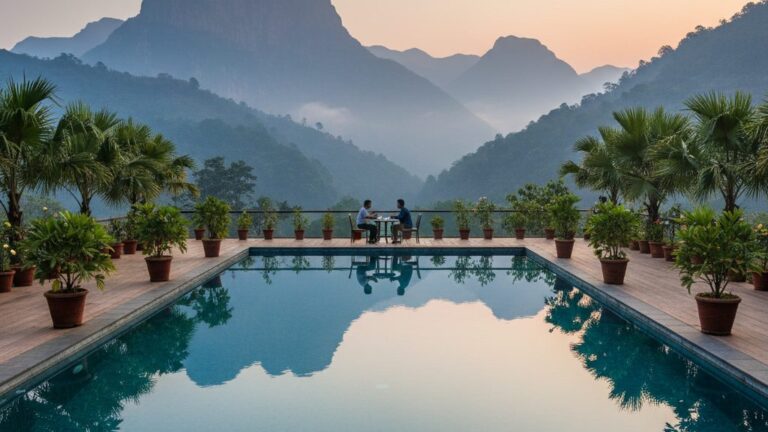
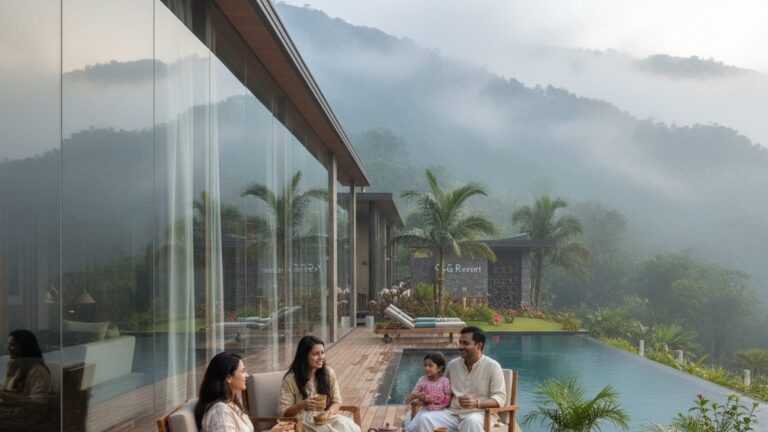
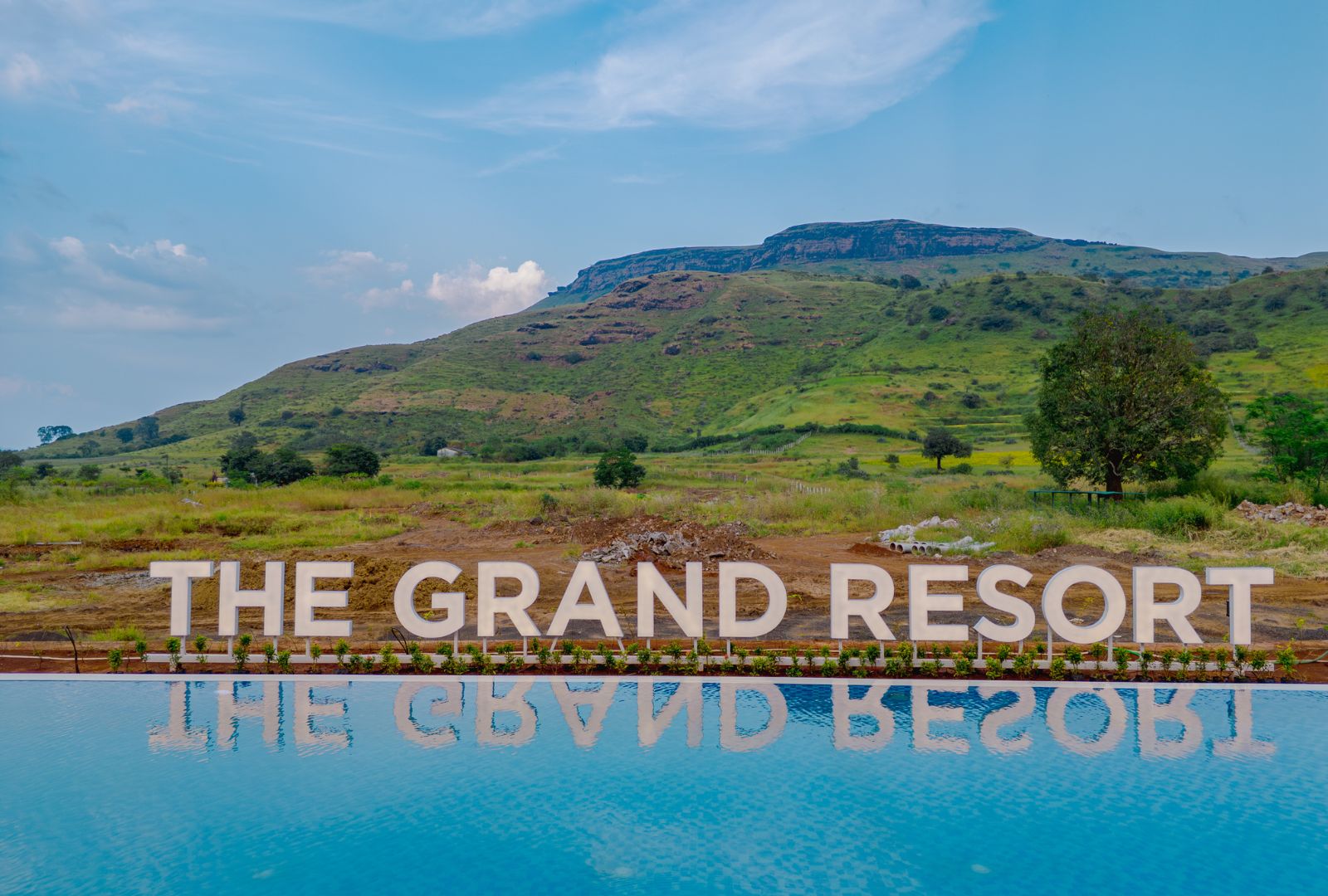
Igatpuri acts as the perfect buffer. Located on the Mumbai-Nashik highway, it allows you to intercept visitors before they hit the city traffic. By staying at a place like The Grand Resort Igatpuri, you secure a mountain experience—mist, sprawling gardens, and silence—while keeping Nashik's attractions within a 45-minute drive.
Consider the logic:
- Morning: Wake up to the mist in Igatpuri. Enjoy a breakfast without the sound of honking horns.
- Day: Drive to Trimbakeshwar (which is actually closer to Igatpuri than it is to Nashik city center via the back roads) or head to Sula.
- Evening: Return to the resort for a swim or a spa session, escaping the city heat.
We have detailed the advantages of this location in our guide on the Mumbai to Igatpuri Weekend Getaway. The proximity to the Samruddhi Mahamarg has only strengthened this argument, making connectivity seamless.
The Hidden Gems: Beyond the Top 10
For those willing to explore the periphery, the rewards are substantial.
Anjaneri Hills
Believed to be the birthplace of Lord Hanuman. This is a trekker's delight. Unlike the tourist-heavy Brahmagiri, Anjaneri is often quieter. The plateau on top is vast, offering a sense of isolation that is rare in Western India. During the monsoon, the reverse waterfalls—where wind blows water upwards—are a phenomenon that defies gravity and logic.
The Artillery Centre Museum
Nashik is a military hub. The Artillery Centre Museum is arguably the finest military museum in Asia. It houses weapons, tanks, and aircraft used in various wars. It is not just for history buffs; it is a sobering reminder of the cost of security. Note that this is a restricted area; you must carry valid ID, and entry is sometimes subject to military discretion.
Practical Logistics for 2026
Travel has changed. The infrastructure is better, but the crowds are denser.
- Road Conditions: The expansion of the highway has reduced travel time, but the final mile within Nashik city remains congested. Factor in an extra 20 minutes for parking at major sites.
- Best Time to Visit: October to March is the wine season. June to September is the nature season. April and May are hot—avoid unless you plan to stay poolside at The Grand Resort.
- Transport: While Uber and Ola exist in Nashik, they are unreliable for inter-spot travel (e.g., getting from Sula back to the city at night). Hiring a private car for the day is the only sensible option.
Conclusion: The Art of the Nashik Trip
To visit Nashik is to engage with layers of history, geology, and agriculture. It is a city that produces the country's wine and protects its deepest spiritual traditions. But a successful trip requires a rejection of the standard itinerary. Do not try to do everything. Choose your anchor points. Respect the geography.
And most importantly, choose your base wisely. The quality of your rest determines the quality of your exploration. At The Grand Resort Igatpuri, we provide the canvas upon which you can paint your Nashik adventure. Whether you are planning a romantic escape or a family pilgrimage, the journey begins with where you wake up.
Frequently Asked Questions
Which is the No 1 tourist place in Nashik?
Sula Vineyards currently holds the top spot for tourism volume, attracting visitors for its wine tours and annual fest. However, Trimbakeshwar Temple remains the most significant cultural and spiritual landmark.
Is 2 days enough for Nashik?
Yes, two days is sufficient if you plan well. Dedicate one day to the spiritual circuit (Trimbakeshwar, Panchvati) and the second day to the wine region and leisure.
What is famous in Nashik to buy?
Apart from wine, Nashik is famous for its chivda (a spicy snack) and silver ornaments. The copper and brass utensils found on the streets of Old Nashik are also traditional buys.
Is Sula Vineyards entry free?
No, there is an entry fee which is usually redeemable against food or drinks inside. Tours and tastings carry separate charges that vary by package.
Which month is best to visit Nashik?
The winter months from November to February offer the most pleasant weather for vineyard visits. However, monsoon (July-September) is superior for waterfalls and greenery.
How far is Trimbakeshwar from Nashik City?
It is approximately 28 kilometers away. The drive takes about 45 minutes to an hour depending on traffic conditions.
Can we wear jeans in Trimbakeshwar Temple?
While the temple complex generally allows casual wear, entering the inner sanctum (Garbhagriha) often requires traditional attire (dhoti/saree) and strict adherence to dress codes.
Is Igatpuri better than staying in Nashik?
For relaxation, yes. Igatpuri offers cleaner air, better views, and a resort atmosphere while keeping you close enough to visit Nashik's attractions during the day.
Ready when you are