
The Historical Identity of Nashik: A BLUF Perspective
What makes a city ancient? Is it merely the passage of time, or is it the accumulation of human choices expressed through stone and water? When searching for historical places to visit in nashik city, one discovers a location where Buddhist monastic life, Hindu devotion, and Maratha political power intersect. The bottom line is simple. If you wish to understand the heritage of Western India, you must visit the Pandavleni Caves for their 1st-century inscriptions and the Trimbakeshwar Temple for its architectural defiance of time. These sites offer more than just a glimpse into the past; they provide a record of how this region became a central node in the Dakshinapatha trade route.
But the experience of history is often marred by the chaos of modern travel. At The Grand Resort Igatpuri, we have observed that visitors who approach Nashik with a sense of chronological order derive far more value from their journey. Our data suggests that starting with the oldest Buddhist sites and moving toward the later Peshwa-era structures creates a clearer picture of the city's evolution. This guide serves as that roadmap. It is not just a list. It is a reasoned exploration of why these sites matter today.
The Buddhist Era: Pandavleni Caves
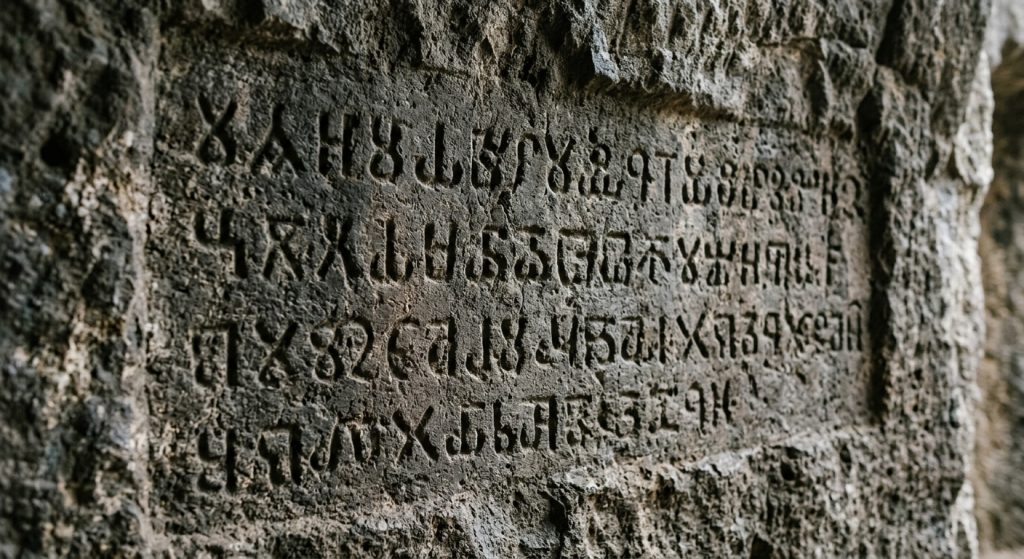
Can we truly understand the religious plurality of India without looking at the Satavahana period? The Pandavleni Caves, also known as the Trirashmi Leni, are a group of 24 caves carved between the 1st century BCE and the 3rd century CE. These are not just 'caves.' They are viharas and chaityas. They represent a significant investment in human capability and spiritual education. And the inscriptions here? They tell stories of queens and merchants who funded these excavations, proving that Nashik was a thriving economic hub long before the modern era.
Key Takeaway: Focus on Cave 3 and Cave 10. They contain the most detailed carvings and historical inscriptions regarding the Satavahana and Western Kshatrapa dynasties. These caves are essential historical places to visit in nashik city for anyone interested in epigraphy or ancient architecture.
The Architecture of Silence
The layout of Cave 18 is particularly striking. It is a chaitya, or prayer hall, with a beautifully carved facade. Why did the monks choose this specific basalt hill? The elevation provided seclusion, yet the proximity to the trade route ensured that the message of the Buddha could travel. When you stand at the entrance, look at the water cisterns. They are marvels of ancient engineering. They captured rainwater to sustain the monks through the dry seasons. It is a lesson in sustainability that we often forget in our modern lives.
The Spiritual Pulse: Ramkund and the Panchavati Area
Is water just a chemical compound, or is it a carrier of memory? In Nashik, the Godavari river is the latter. Ramkund is the central point of this memory. Built in 1696 by Chitrarao Khatarkar, this tank is where Lord Rama is believed to have bathed. But beyond the myth, look at the stone steps. Notice how the city was designed to meet the water. This is urban planning from a different era. But it remains functional. Every twelve years, millions gather here for the Kumbh Mela, making it one of the most resilient places to visit in nashik.
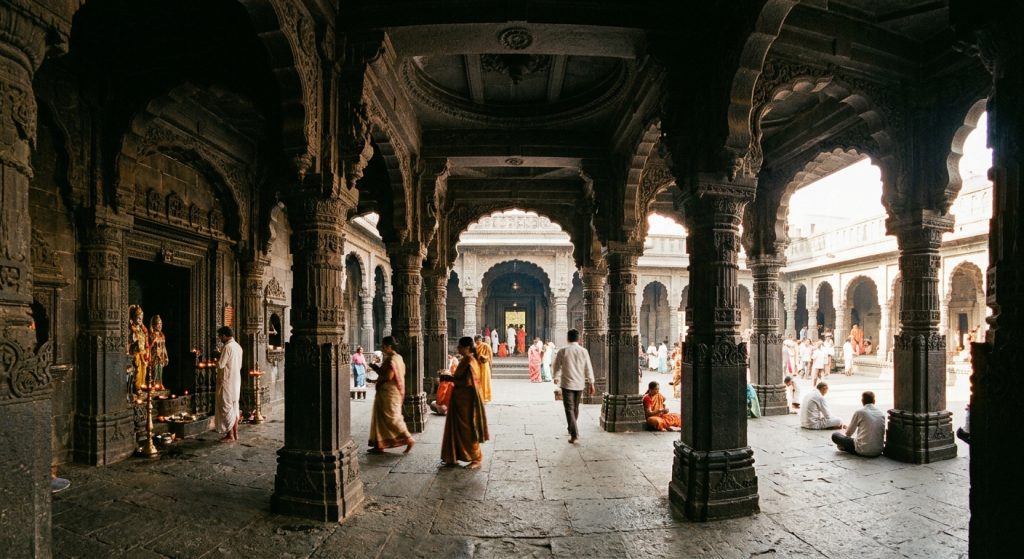
But do not stop at the water's edge. Walk into the narrow lanes of Panchavati. Here, the Kalaram Temple stands as a monument to Peshwa-era architecture. Built by Sardar Odhekar in 1782, it uses black stones from the mines of Ramshej. The temple did not just serve a religious purpose. It was a statement of Maratha pride and craftsmanship. The use of lead to join the stones instead of mortar is a technical detail that ensures the structure's longevity. And it has worked. The temple looks as imposing today as it did two centuries ago.
The Yadava Legacy: Gondeshwar Temple, Sinnar
We must ask ourselves why certain styles of architecture dominate specific periods. The Gondeshwar Temple, located a short drive from the main city in Sinnar, is the finest example of the Hemadpanti style. It dates back to the 11th or 12th century, during the Yadava dynasty. The temple is a panchayatana, meaning it has a central shrine dedicated to Shiva, surrounded by four smaller shrines. It is a symmetrical masterpiece. The carvings on the exterior walls depict scenes from the Ramayana, but they also show the daily life of the people of that time.
Key Takeaway: The Gondeshwar Temple is often overlooked by casual tourists. However, its architectural integrity makes it one of the most vital historical places to visit in nashik city for those who appreciate medieval stonework. It remains a quiet spot, away from the typical temple crowds.
Connecting the Dots of History
For a broader perspective on how these sites fit into the larger regional story, you should read our comprehensive pillar guide, Beyond the Vineyards: The Definitive Guide to Places to Visit in Nashik. It contextualizes these historical landmarks within the modern geography of the district. Understanding the distance between the Buddhist caves and the Yadava temples helps one appreciate the vast timelines at play here. And history, after all, is a matter of scale.
Anjaneri: Where Mythology Meets Geology
Is it possible for a mountain to be both a physical challenge and a spiritual landmark? Anjaneri hills, the birthplace of Lord Hanuman, suggests that it is. The climb is steep. But the reward is a set of Jain temples located halfway up. These 12th-century ruins are a reminder of the region's diverse religious history. The carvings are delicate, showing a level of skill that is rare for such a remote location. But why build here? The answer lies in the pursuit of 'kaivalya' or isolation. The height of the mountain provided the necessary distance from the distractions of the plains.
At The Grand Resort Igatpuri, we often suggest Anjaneri to our guests who enjoy trekking. It is a rare site where you can experience the physical terrain that shaped the legends. If you are planning a longer stay, you might find our 2 Day Itinerary for Nashik and Trimbakeshwar helpful in organizing your time effectively between these hill sites and the city temples.
Sarkar Wada and the Maratha Administrative Heart
History is not always about temples and caves. Sometimes, it is about the bureaucracy and the residence of the powerful. Sarkar Wada, located in the old city, was the administrative headquarters of the Peshwas. It is a wooden structure that showcases the 'wada' style of architecture—central courtyards, carved wooden pillars, and thick stone walls. While much of it has been lost to time, the remaining portions house a museum. This museum holds artifacts that remind us of the daily lives of the Maratha administrators. It is a stark contrast to the grand stone monuments elsewhere in the city.
Key Takeaway: Visit Sarkar Wada to see the transition from medieval stone architecture to the more domestic and administrative wooden architecture of the 18th century. It offers a human-scale view of Nashik's history.
The Coin Museum: A Record of Exchange
Economics and history are inseparable. The Indian Institute of Research in Numismatic Studies, commonly known as the Coin Museum, is a unique institution. It is located at the foot of the Anjaneri hills. Why is a coin museum important? Because coins are the most honest records of history. They tell us about the kings, the trade routes, and the prosperity of the region. The collection here spans from the earliest punch-marked coins to the issues of the British Raj. It is an educational experience that adds a layer of intellectual depth to your visit.
Why Stay in Igatpuri While Exploring Nashik?
One might wonder why a resort in Igatpuri is discussing the history of Nashik. The reason is simple: perspective. After a day of exploring the hot, dusty streets of the old city or climbing the steep steps of Pandavleni, one needs a space for reflection. The cooler climate of Igatpuri provides that. Our guests at The Grand Resort Igatpuri often spend their mornings in the ancient city and their evenings by our pool, processing what they have seen. It is about balancing the rigor of historical exploration with the necessity of rest. If you are seeking such a balance, you might consider our guide on Top Resorts in Nashik with Swimming Pool to see why our amenities matter for your recovery.
The British Era and the Modern City
The history of Nashik did not end with the Peshwas. The British arrival in the 19th century introduced new forms of infrastructure. The railway station at Deolali and the cantonment area changed the city's layout. You can still see the colonial-style bungalows and the orderly streets in Deolali. This period also saw the development of the printing press in Nashik, which played a massive role in the Indian freedom struggle. This layered history is what makes Nashik a complex city to study. It is not a monolith. It is a series of overlapping eras, each leaving its mark on the physical and social fabric of the place.
Trimbakeshwar: The Source and the Shrine
We cannot conclude a discussion on Nashik's history without mentioning Trimbakeshwar. Located 28 km from the city, this Jyotirlinga temple is a marvel of black stone. The current structure was built by Nana Saheb Peshwa in the 18th century. But the site has been sacred for millennia. The architecture is a classic example of the Nagara style. What is fascinating here is the natural history—the Godavari river originates from the Brahmagiri hills right above the temple. The integration of the natural spring with the temple's sanctum is a feat of ancient hydrologic planning.
Key Takeaway: Visit Trimbakeshwar early in the morning to avoid the largest crowds. Pay attention to the intricate carvings on the outer walls, which remain remarkably preserved despite the heavy monsoon rains the region faces. For those seeking more quiet, explore the Unexplored Hidden Gems in Nashik nearby.
FAQs About Historical Places in Nashik
What is the best time to visit historical places in Nashik? The months from October to March offer the most pleasant weather for walking through outdoor sites and climbing hills. The monsoon season, while beautiful, can make the steps at Pandavleni and Anjaneri quite slippery.
Are the Pandavleni Caves difficult to climb? There are approximately 200 to 300 well-maintained stone steps to reach the main group of caves. Most people of moderate fitness can complete the climb in 20 minutes.
Is photography allowed inside the historical monuments? Most sites allow photography, but some temples like Trimbakeshwar have strict rules against taking pictures inside the sanctum. Always check for signage or ask the local guards.
How much time is needed to see the main historical sites? To see the caves, the main city temples, and Sinnar, you should set aside at least two full days. A rushed visit does not allow for the reflection these sites deserve.
Are there entry fees for the historical sites in Nashik? The Archaeological Survey of India (ASI) charges a nominal fee for Pandavleni Caves, while most temples are free to enter. The Coin Museum also has a small entry fee for maintenance.
Is it possible to visit these sites using public transport? Yes, Nashik has a robust city bus service and auto-rickshaws that can take you to Pandavleni and Panchavati. However, for Sinnar and Trimbakeshwar, hiring a private taxi is more efficient.
What should I wear when visiting these historical places? Modest clothing is recommended, especially when entering active religious sites. Comfortable walking shoes are a necessity for the caves and hill forts.
Can children enjoy these historical visits? Yes, the Pandavleni Caves and the Coin Museum are particularly engaging for children as they offer plenty of space to explore and visual elements to learn from.
A Call to Reasoned Travel
To visit a historical site is to participate in a conversation with those who came before us. It is an exercise in empathy and understanding. When you explore the historical places to visit in nashik city, you are not just a tourist. You are a witness to two thousand years of human effort. We invite you to make this journey not just a check-list of sites, but a deeper inquiry into the heritage of India. And when you are ready to rest and reflect on your discoveries, The Grand Resort Igatpuri is here to provide the comfort and silence you need. Plan your historical retreat with us today and see Nashik through a different lens.
