
The Argument for the Unseen
Is a city defined by its loudest attractions or its quietest corners? We often mistake the itinerary for the experience. Most travelers arriving in the Wine Capital follow a predictable, almost rhythmic path: Sula, Trimbakeshwar, Panchavati. And there is merit in these choices. But to stop there is to miss the deeper narrative of the region.
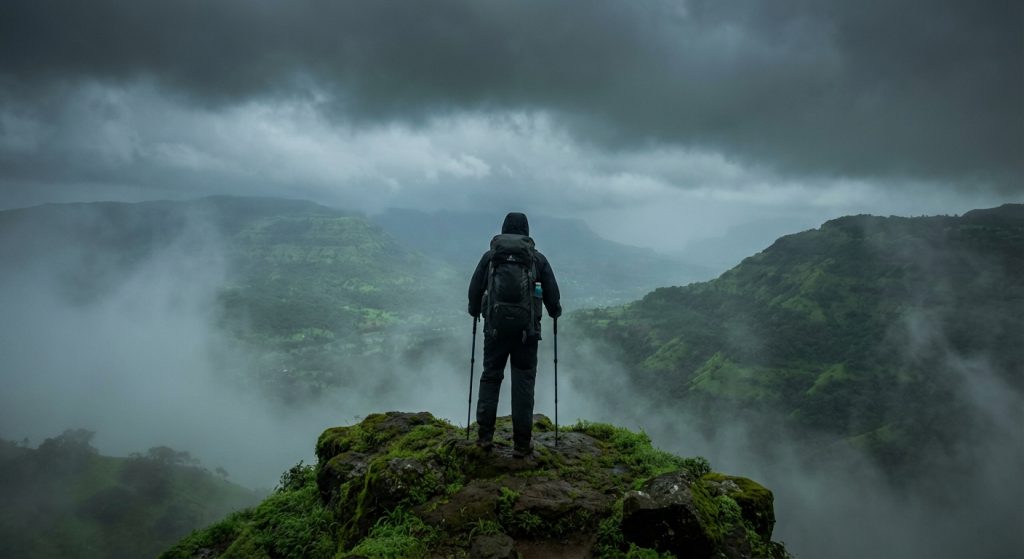
The true capability of a traveler—much like the capability of an economy—lies in the freedom to choose beyond the standard menu. If you are seeking Places to visit in nashik that challenge the standard definition of tourism, you must look at the margins. The unexplored hidden gems in Nashik are not merely scenic spots; they are historical arguments carved in stone and silence.
We at The Grand Resort Igatpuri have observed a shift. The thoughtful traveler no longer seeks just a photo opportunity. They seek context. This guide is an attempt to provide that context, moving beyond the vineyards to the places that retain their original dignity.
The Silence of Sinnar: Gondeshwar Temple
It is strange how silence can be louder than noise. Just 26 kilometers from the city center lies Sinnar, home to the Gondeshwar Temple. While thousands flock to the crowded ghats of the Godavari, this architectural marvel often stands empty.
Built in the Hemadpanthi style, this is a Panchayatana complex. A main shrine surrounded by four smaller ones. But the technical details matter less than the atmosphere. The dry masonry—stone interlocking with stone without the aid of lime or mortar—is a testament to an engineering capability we have largely forgotten. The wind here sounds different. It moves through the ancient pillars without interruption.
Key Takeaway: Visit at sunrise. The interplay of light on the black basalt rock creates a visual depth that modern cameras struggle to capture. It is a place for reasoning, not just sightseeing.
Ramshej Fort: The Fortress of Resilience
Why do we visit forts? Is it for the view, or the history of resistance? While Harihar Fort dominates the Instagram feeds of hikers due to its vertical stairs, Ramshej Fort offers a more profound historical lesson. It is the fort that refused to fall.
For six years, the Mughal army laid siege to this modest hill. And for six years, the Maratha commander held them off. The fort is not massive. It does not have the intimidating height of Salher. But it possesses an unconquerable spirit. Located roughly 14 kilometers from Nashik, the trek is deceptively simple.
Upon reaching the plateau, one finds a cave temple and several water cisterns. But the real asset here is the perspective. You look down at the plains and realize how strategy often outweighs raw power. For those staying with us, this reflects the very ethos of a weekend destination near Mumbai: finding strength in quietude.
The Mineral Archive: Gargoti Museum
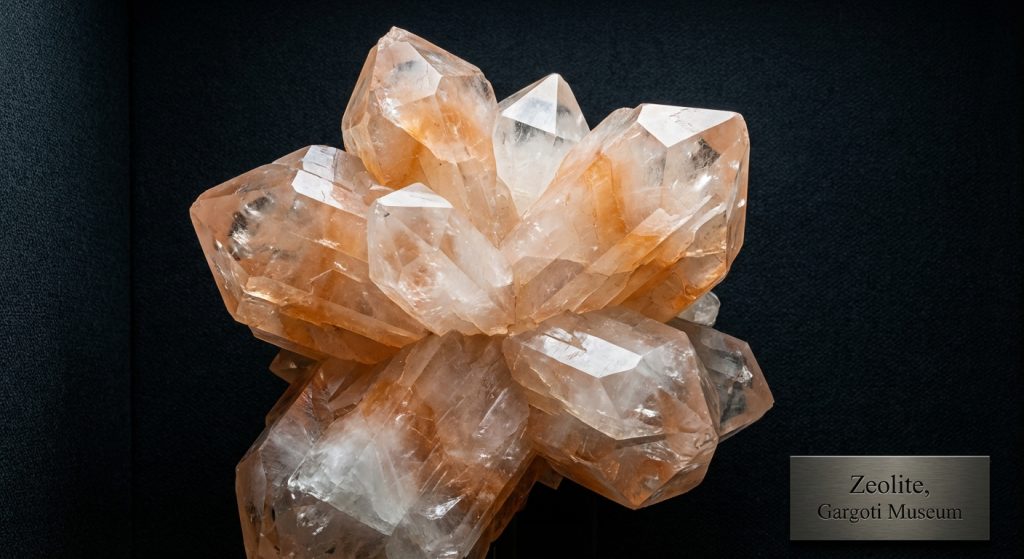
There is an assumption that beauty must be biological—trees, rivers, mountains. We neglect the geological. The Gargoti Museum in Sinnar challenges this bias. It is one of the few museums in the world dedicated to zeolites (microporous, aluminosilicate minerals).
This is not a dusty collection of rocks. It is a cathedral of chemistry. The ‘Saraswati Purana’ gallery houses distinct mineral structures that look organic—like flowers frozen in time and crystal. These formations took millions of years to develop within the volcanic cavities of the Deccan Traps. To walk through these halls is to confront the concept of deep time.
Why it matters: In an age of instant digital gratification, staring at a crystal that took 65 million years to form is a necessary corrective.
Dugarwadi: The Raw Wilderness
Waterfalls in this region suffer from their own popularity. Someshwar is beautiful, yes, but often overrun. Turn your attention instead to Dugarwadi. Situated near Trimbakeshwar, this waterfall demands effort. There is no paved path leading to the base. You must descend.
The forest cover here is dense. During the monsoon, the air is thick with the scent of wet earth and vegetation. It feels prehistoric. Our guests who choose our Mumbai to Igatpuri weekend getaway packages often ask for "untouched" nature. This is it. But a warning is necessary: nature here is indifferent to your comfort. The rocks are slippery, and the currents are strong. Respect the danger.
The Logistics of Isolation
Traveling to these unexplored spots requires a strategic base. Staying in the center of Nashik often means battling traffic before you even reach the outskirts. This is where the geography of Igatpuri becomes an advantage.
By positioning yourself at The Grand Resort Igatpuri, you are already in the foothills. You are closer to the wilderness. You bypass the urban congestion. For detailed planning on how to structure a wider itinerary, we recommend reading our foundational text: Beyond the Vineyards: The Definitive Guide to Places to Visit in Nashik. It provides the broader framework within which these hidden gems fit.
Anjaneri: The Birthplace of Devotion
Mythology is not just a story; it is a map of human belief. Anjaneri, believed to be the birthplace of Lord Hanuman, offers a trek that is both physical and spiritual. Unlike the commercialized routes, Anjaneri retains a sombre dignity.
The path winds through a reverse waterfall (during heavy winds) and leads to a plateau filled with rare wildflowers, distinct from the famous Kaas Plateau but equally significant. The biodiversity here is high. You might spot rare avian species if you remain quiet. It serves as a reminder that we are guests in this ecosystem, not owners.
Strategic Conclusion: The Value of Retreat
The decision to visit these unexplored hidden gems in Nashik is a decision to engage with the world more deeply. It is a rejection of the superficial. But exploration requires recovery. After a day of climbing historical forts and navigating ancient stones, the need for comfort is not a luxury; it is a biological requirement.
At The Grand Resort Igatpuri, we provide the silence necessary to process what you have seen. Whether it is reflecting on the resilience of Ramshej or the geology of Gargoti, our spaces are designed for the thoughtful traveler.
Frequently Asked Questions
1. What is the best time to visit these hidden gems in Nashik?
The monsoon (June to September) offers the most dramatic scenery, particularly for Dugarwadi and Anjaneri. However, winter (October to February) is safer for trekking and exploring architectural sites like Gondeshwar.
2. Are these locations safe for solo travelers?
Generally, yes. However, remote spots like Dugarwadi should be visited in groups due to the isolated terrain and lack of cell service.
3. How far is The Grand Resort Igatpuri from these spots?
Most of these locations are within a 45 to 60-minute drive from our resort, making it an ideal central hub that avoids city traffic.
4. Is the Gargoti Museum suitable for children?
Absolutely. The visual nature of the minerals engages children immediately, making it a rare educational experience that doesn’t feel like school.
5. Do I need a guide for Ramshej Fort?
No professional guide is required. The path is marked, but having a local companion can provide historical context that signage lacks.
6. Can I visit Gondeshwar Temple in the evening?
Yes, but the intricate stone carvings are best viewed in natural daylight. Artificial lighting at the site is minimal.
7. majestic is the food situation near these hidden spots?
Options are limited. It is highly advisable to carry packed meals from the resort, as these off-beat locations lack commercial restaurants.
8. Why choose Igatpuri as a base instead of Nashik city?
Igatpuri offers a cooler climate, cleaner air, and immediate access to the nature trails without the urban congestion of Nashik city.
Ready to explore the unseen?
Do not settle for the standard itinerary. Book your stay at The Grand Resort Igatpuri today and turn a simple trip into a journey of discovery. Contact us to plan your expedition.
